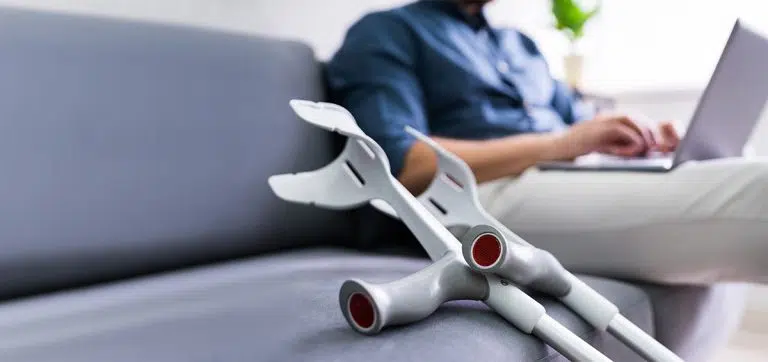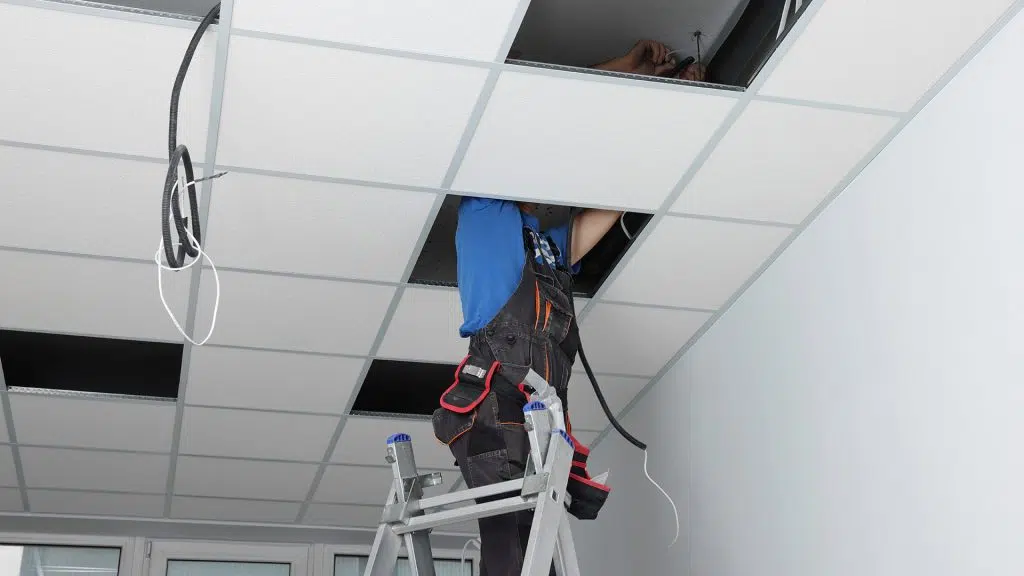

Slips and falls are some of the most common types of workplace accidents, and they can happen anywhere – from office and retail environments to warehouses and construction sites.
Sometimes, these accidents can cause injuries – some of which may be minor, such as bruising and scrapes, while some can be more serious, including sprains, fractures and long-term complications.
We understand just how disruptive these workplace accidents can be, both physically and financially. That’s why we’re here to help you secure the compensation you deserve.
This guide will cover the statistics around slips, trips and falls in the workplace, reporting these accidents and how to take legal action against an employer.
How Many People Are Affected Each Year by Slips & Falls At Work?
According to the Health and Safety Executive (HSE), slips, trips and falls account for more than 31% of all non-fatal accidents reported, making these types of accidents the single biggest cause of workplace injuries in the UK.
That means, in 2023-2024, roughly 187,240 workers suffered injuries as a result of slips, trips or falls at work.
Also, according to the HSE, in 2024/25, there were 124 workplace fatalities in Great Britain. Of those, 35 were in construction, 23 in agriculture, forestry & fishing, and 35 were caused by falls from height – making it the most common fatal cause.
However, it’s thought that not all workplace accidents are reported officially to RIDDOR (the Reporting of Injuries, Diseases & Dangerous Occurrences Regulations 2013) – even though it’s a legal obligation to do so – meaning the actual number may be higher than that.
These figures highlight how widespread the problem is, affecting workers across almost every industry sector.
Slip, Trip and Fall Rates by Employment Sector
Let’s break this down further and look at the rate of slips and falls at work by industry.
Naturally, the risk of a slip, trip or fall can increase or decrease significantly depending on your type of employment – for example:
- Construction & Manufacturing: One of the most common industries for slips, trips and falls to occur, this could be from uneven ground, loose cables and equipment or inadequate training on the worksite.
- Retail & Hospitality: Working out on the busy main floor of a shop, pub, restaurant, or eaterie could be a high-risk factor for falls, as floors can become slippery from food or drink spillages.
- Healthcare & Social Work: Working in a busy patient-led environment can often lead to trips and falls. For example, nurses, carers or other healthcare professionals may encounter wet floors, spillages, and moving patients.
- Office Environments: While offices could be considered low risk compared to the likes of a construction site, for example, hazards such as loose carpets, wires or cluttered walkways can still cause accidents.
While some of these incidents may cause minor injuries, some can lead to significant time off work and long-term health consequences.
Here’s a full breakdown of the number of fatal injuries in the workplace by sector and their cause:
| Industry Sector | Number of Fatalities | % of Total Fatalities | Main Cause(s) (e.g. Falls, Machinery, Vehicles) |
| Construction | 35 | 28% | Many falls from height, objects striking, etc. |
| Agriculture, Forestry & Fishing | 23 | 19% | Falls, machinery risk, etc. |
| Transportation & Storage | 15 | 12% | Vehicle collisions, some falls, etc. |
| Retail, Accommodation & Food | 12 | 10% | Slip/trip hazards on the same level, sometimes falls from height or over obstacles. |
| Manufacturing | 11 | 9% | Machinery, slips/trips, falls. |
While not all of these deaths were caused by slips, trips and falls, they are still the most common reason for accidents and fatalities in the workplace.
What Are an Employer’s Legal Responsibilities to Prevent Slips, Trips and Falls?
By UK law, employers have a duty of care to protect their employees under the Health and Safety at Work Act 1974.
This includes taking reasonable steps to minimise the risk of slips, trips and falls. While this will differ for every workplace, some things they can do include:
- Keeping floors and walkways clean, dry and free of obstacles
- Ensuring adequate lighting in all work areas
- Conducting regular risk assessments and addressing hazards
- Providing staff with suitable footwear or protective equipment where necessary
- Training employees on safe working practices
If an employer fails to meet these responsibilities and an employee suffers an accident as a result, they may then be entitled to pursue a legal compensation claim.
Reporting Slips, Trips and Falls at Work
One of the most important parts of the accident at work process is ensuring it’s officially reported.
Generally, it’s the responsibility of the employer to report this incident; however, the employee may also file a report if the employer is negligent of the incident.
It’s important to not only report this incident internally to HR, your supervisor, a health and safety representative or a figure of authority in your workplace, but also to the HSE under RIDDOR.
These reports are crucial not only for compliance but also for highlighting risks and preventing further accidents. Equally, ensuring your accident has been properly recorded is an important step in pursuing a legal claim, as the report will be used as sufficient evidence in your case.
How Long Do You Have to Report a Slip, Trip or Fall at Work?
From the date the accident occurred, it should be reported within 10 days to HSE under RIDDOR. For over-7-day injuries, it should be reported within 15 days.
If you’re looking to make a personal injury claim against your employer, you have three years from when the accident happened, or from when you found out about the accident.
If you’re under 18 years old, you will have up until your 21st birthday to take any legal action, as the three years to make a claim begins on your 18th birthday.
For more information on the accident reporting procedure in the workplace, our dedicated guide can help.
When to Seek Legal Support for Slips & Falls in the Workplace
If you have been harmed due to a workplace accident, whether that’s physically or emotionally, you may be able to take legal action against your employer.
Compensation for workplace accidents can be claimed for several reasons, including:
- Medical treatment costs: If your workplace injury required private healthcare, operations or ongoing treatment that wasn’t available on the NHS, you could recover these out-of-pocket expenses as part of your claim.
- Physical and emotional suffering: Compensation is also intended to reflect the pain you’ve experienced, as well as the psychological effects of the accident, which may include anxiety, depression, or post-traumatic stress.
- Lost income: Where an accident has prevented you from working, you can claim for wages you’ve missed out on. This may also include projected future losses if your ability to work, perform your role or advance in your career has been reduced.
- Recovery and therapy: Support for your rehabilitation can also be included, such as physiotherapy to aid your physical recovery or counselling to help with emotional wellbeing.
- Ongoing needs: For more serious injuries, claims may extend to the cost of long-term assistance, such as adapting your home, managing a disability or coping with lasting health conditions that affect your daily life.
If you believe you are entitled to compensation for a slip, trip or fall at work that wasn’t your fault, seeking legal support should be your next step in obtaining the justice you deserve.
How CEL Solicitors Can Help
At CEL Solicitors, we specialise in helping employees who have suffered slips, trips and falls at work by helping them to navigate filing personal injury claims.
If you’ve been injured, our team can:
- Assess whether your employer failed in their duty of care
- Gather evidence, such as accident reports, CCTV footage or witness statements
- Guide you through the claims process in clear and straightforward terms
- Seek compensation for your injuries, loss of earnings, medical expenses and any ongoing care needs
How To Make a Workplace Accident Claim
Firstly, choose a solicitor firm that specialises in personal injury, specifically around accidents in the workplace, like CEL Solicitors.
Putting your trust in an experienced firm who have years of experience helping employees gain the compensation they deserve will ensure your case is as strong as it can be.
To begin your claim, simply get in touch with our expert team of personal injury solicitors by either filling in this online form or giving us a call to talk through your situation with a specialist.
Choosing CEL Solicitors for Personal Injury Claims
We understand that making a claim against your employer can feel daunting, but rest assured – the law protects employees from unfair treatment for exercising their right to compensation.
Our expert team at CEL Solicitors specialise in personal injury claims, offering you peace of mind that your employee rights are protected while seeking the justice you deserve.
Additionally, we operate on a No-Win, No-Fee promise – meaning that you won’t need to pay any fees up front, giving you access to the legal support you need without financial worry.
Ready to pursue your personal injury claim for an accident in the workplace? Get in touch today for a free, no-obligation consultation. Call 0333 305 4982 for the support you deserve.