Suffering from a brain or head injury at the hands of someone else’s negligence can be devastating, but you don’t have to face it alone. You may be able to claim compensation on a no-win, no-fee basis. You pay nothing upfront, and if you win, our fees come out of your compensation.
Check if you're eligibleOr call free on 0151 909 8212
A brain or head injury claim is a type of legal claim for compensation after sustaining an injury to your head due to somebody else’s negligence. The most common head and brain injuries people claim for include:
If someone else was at fault, you may be able to claim. For example, this could be due to an accident at work, medical negligence, a road traffic accident, or an injury in a public place where safety measures weren’t followed.
You usually have three years to make a brain injury claim. This runs from the date of the accident, or from when you first knew your injury was caused by it.
For those under the age of 18, the three-year time limit does not usually begin until the child turns 18. This means a claim can normally be brought at any point up to their 21st birthday.
If the injured person lacks the mental capacity to manage their own legal affairs because of their brain injury, the three-year time limit may not apply in the usual way. In these cases, a claim can often be made at any time while the person remains without capacity, with a family member or representative acting on their behalf.
It’s best to get in touch early, while evidence is still fresh.
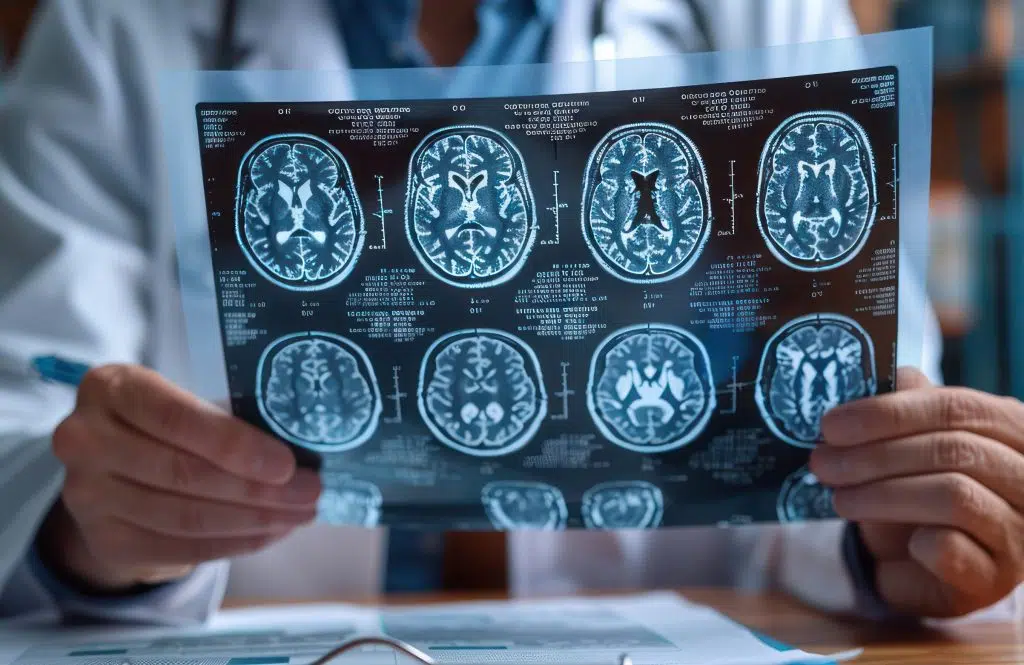
Sadly, accidents resulting in head injuries are more common than many people realise, affecting families from all walks of life every year.
Head-related personal injuries and accidents are often caused by negligence, where a person or organisation has failed in their duty of care. Below are some of the most common situations in which head injuries could occur:
These may involve cars, motorcycles, cyclists or pedestrians, and are often caused by careless driving, speeding, drink or drug use or a failure to follow road laws. These accidents can lead to TBIs, fractures or concussions.
Head injuries can occur when mistakes are made by healthcare professionals, such as missed diagnoses, delays in treatment, surgical errors or inadequate care. A lack of oxygen to the brain during surgery, for example, can cause permanent brain damage.
Head and brain injuries at work can happen when proper training, safety equipment or risk assessments are not in place. These may range from cuts and bruises to serious injuries such as traumatic brain injuries from falls or machinery accidents.
Head injuries can occur in shops, car parks, pavements or leisure facilities when hazards are not properly maintained. Physical assaults such as attacks or fights can also lead to concussions, fractures or brain damage.
A serious head or brain injury can affect every part of your life, from your ability to work and earn a living to your independence, relationships and long-term health. Making a claim can provide financial support and practical help to adapt and move forward. Compensation may help you:
Time away from work, reduced hours or being unable to return to your role can place huge strain on you and your family.
Coping with PTSD, anxiety, depression or other mental health effects can be overwhelming; funding for counselling or therapy can make a real difference.
Brain injuries often require tailored support, assistive technology and professional care to maintain independence.
Adaptations may be needed to make your living environment safe and suitable for your needs.
We’ll make the claims process as simple as we can, with clear guidance and no-win, no-fee protection from the start. Here’s what to do:
Your health comes first. Make sure your injuries are properly assessed and treated, and keep records of any medical care you receive.
This may include accident reports, CCTV footage, witness details, photographs, and medical records that show how the head or brain injury occurred.
Contact our team for a free, no-obligation look at your case. We’ll explain your options clearly.
If you decide to go ahead, we’ll prepare and submit your claim and deal with the other party and their insurers on your behalf.
Most head and brain injury claims are settled without going to court. If needed, we will represent you in court and fight for the compensation you deserve.
Speak to our friendly team today. You are not alone, and you may have a case.
You may be able to claim if you suffered a head or brain injury because someone else was careless. We’ll need to show they were at fault, and that this caused your injury. We can check this for you for free.
Yes, you can make a claim on behalf of a loved one who’s suffered a brain injury, especially if the injury has left them without the mental capacity to handle their own legal affairs. A trusted family member or carer can represent the injured person as a “litigation friend”.
That depends on how serious the injury is and the impact it’s had on your life. We can’t give you a figure straight away, and that’s not us being cagey. We need medical evidence first, and with serious injuries we may need reports from more than one specialist. Once we have them, we can give you a proper picture. In the meantime, our compensation calculator can give you a rough guide.
A no-win, no-fee agreement, also called a Conditional Fee Agreement (CFA), means you don’t pay anything upfront. If your claim isn’t successful, you won’t pay our legal fees. If we win, our fees are taken from your compensation, and we’ll explain exactly how much before you sign anything. We’ll also arrange After the Event (ATE) insurance, which covers certain costs if your claim doesn’t succeed. This protection depends on you being honest throughout your claim.
This may include CCTV footage, police reports, medical records, accident reports, witness statements or even extracts from a personal diary recording symptoms. In some cases, financial documents may also be required to show the impact the injury has had on the family.
These help show what happened and how the injury has affected you and your family. If you don’t have everything, don’t worry. We’ll help you gather what you need.
In most cases, you will not need to go to court. Most head accident claims are settled outside of court through negotiation between your solicitor and the insurance company of the party responsible.
If an agreement cannot be reached, however, the claim may proceed to court. If this happens, your expert brain injury solicitor will guide you through the process and handle the legal steps on your behalf.
Every case is different, meaning each resolution period differs, too. If the defendant admits liability, the claim could be resolved in a few months.
However, for more complicated cases, such as disputes over medical evidence or neglect, especially if the injury has affected the patient’s long-term recovery, this could take longer.
Your claim will be handled by our personal injury team. The team is made up mainly of solicitors and trainee solicitors, supported by paralegals and legal secretaries.
Your hospital records show the treatment you had. An independent medical report looks at how your injury affects you now and in the future. That’s what your compensation is based on, so it’s a key part of your claim.
We’ll send you a secure link to sign your documents online. If you have any trouble, just call us and we’ll talk you through it.
We have extensive experience handling serious head and brain injury claims for clients across England and Wales.
Nothing to pay upfront. If you win, our fees come out of your compensation.
Every brain injury is different, so we take the time to understand your situation and provide support that fits your needs.
Our personal injury team will work hard to get you the best outcome and support you and your family every step of the way.
If you’ve suffered a head or brain injury because of someone else’s negligence, contact CEL Solicitors today to explore your options for compensation.