Mould isn’t just unpleasant, it can seriously damage your health and home.
But when it creeps into your rented property, who’s actually responsible for sorting it? You or your landlord?
If you’re dealing with damp patches, condensation or black mould on your walls, this guide will explain your legal rights, your landlord’s responsibilities and what to do if they refuse to act.
Keep reading to find out more.
What Are a Landlord’s Responsibilities for Mould?
Under UK law, landlords are responsible for keeping the property safe, structurally sound, and free from hazards. That includes problems that lead to or worsen mould, such as leaks, rising damp, broken ventilation or poor insulation.
So, is the mould the landlord’s responsibility?
In most cases, yes! Especially when the mould is caused by disrepair.
Landlords must:
- Fix the source of the damp (e.g. leaking roofs, cracked pipes, broken windows)
- Ensure adequate ventilation in kitchens, bathrooms and bedrooms
- Repair any damage that causes condensation or rising damp
- Keep the property fit for human habitation under the Homes (Fitness for Human Habitation) Act 2018
If your landlord refuses to act, they could be breaking the law, and you may be entitled to take legal action or claim compensation.
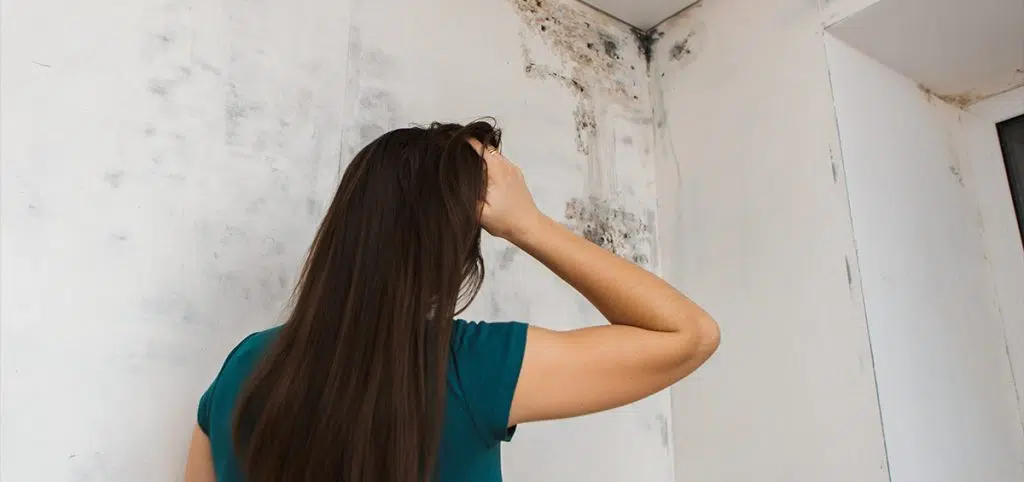
What If the Mould Is Black?
Black mould (Stachybotrys) is toxic and can be especially dangerous for children, elderly tenants and people with asthma or weakened immune systems.
So, is black mould the landlord’s responsibility?
Yes, if it’s caused by structural issues or poor ventilation, your landlord must:
- Address the underlying cause
- Safely remove the black mould
- Prevent future outbreaks through proper repairs
If you’ve reported black mould and your landlord won’t fix it, you could be eligible for a housing disrepair claim, and CEL Solicitors can help you take action.
How Long Does a Landlord Have to Fix Mould?
There’s no exact legal timeframe, but repairs must be carried out within a ‘reasonable time’ after you report the issues.
- For mould affecting health, this should be treated as urgent
- Landlords must act promptly, especially if you or your children are at risk
- Local authorities can intervene if nothing is done
If your landlord won’t fix damp or mould, don’t wait – speak to our expert team and see if you’re eligible for a claim.
Who Is Responsible for Mould – Landlord or Tenant?
This depends on the cause of the mould:
| Causes of Mould | Responsibility |
| Structural issues (leaks, rising damp, poor insulation) | Landlord |
| Broken heating or ventilation systems | Landlord |
| Every day moisture build-up from cooking, drying clothes, or not opening windows | Tenant |
In most cases, mould problems caused by disrepair are your landlord’s responsibility. You cannot be blamed for mould that grows due to their failure to maintain the property.
Signs Your Landlord Is Neglecting Their Duty
Watch out for these red flags:
- The landlord ignores your complaints or delays inspections
- Repairs are repeatedly postponed
- They blame you for the mould without fixing structural issues
- They’ve painted over or temporarily covered the mould without removing the cause
If any of this sounds familiar, you could have a claim under the Landlord and Tenant Act 1985, especially if your health is suffering.
Can I Claim Compensation for Mould in a Rented Property?
Yes. If your landlord failed to deal with damp and mould, and it has:
- Damaged your belongings
- Made you or your family ill
- Made your home unsafe or uninhabitable
You may be able to claim for:
- The cost of damaged furniture, clothes, or electricals
- Medical issues caused by damp or toxic mould
- Emotional distress and impact on quality of life
What Should I Do If My Landlord Won’t Fix the Mould?
Step 1: Report the Issue in Writing
Send photos and keep a record of your communication.
Step 2: Give Them Reasonable Time to Respond
They must respond and make repairs, especially if mould is affecting your health.
Step 3: Seek Legal Help
If they still won’t act, you can start a housing disrepair claim. CEL Solicitors offer No-Win, No-Fee support – so there’s no financial risk to you.
Don’t Let Mould Ruin Your Home – Get Help Now!
You don’t have to live with mould just because your landlord won’t fix it. If they’re ignoring serious issues like damp, condensation or black mould, you could have a strong case.
Get justice, get compensation and get your home back to a safe standard.
We can offer you free advice, whether we take on your claim or not, so if you’re unsure if you’re eligible to make a housing disrepair claim, then call us on 0333 920 5256 or contact us online.