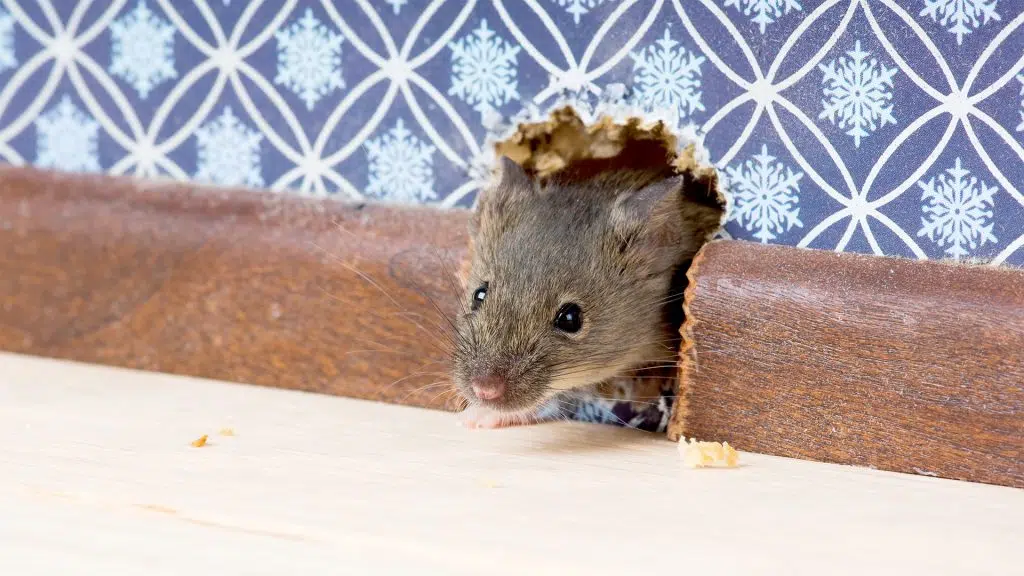

Spotted the signs of a mouse infestation in your home, and your landlord is refusing to help? You may be able to claim them.
Not only can they be a health and safety hazard by contaminating food and spreading diseases, but mice can pose a significant threat to your property’s infrastructure, easily chewing through wires, walls, floors and other structural elements.
But, is it possible to sue your landlord for not properly dealing with a mouse infestation?
Our guide breaks down in what circumstances you could sue your landlord, signs to spot mouse infestations and a step-by-step guide on making your claim.
Key Signs You Have a Mouse Infestation
Firstly, it’s important to determine whether or not you have a mouse infestation. There are some key signs to be on the lookout for, including:
- Mouse droppings: One of the biggest indicators is droppings, typically small and dark brown/black in colour, about the size of a grain of rice.
- Gnaw marks: Chewed holes in walls, food packaging, electrical wiring or anything else.
- Scratching noises: You may be able to hear scurrying or scratching, especially behind walls or under floors.
- Footprints/grease marks: If you have any dusty areas that mice could be hiding in – for example, basements or lofts – you may see footprints, or greasy smears along walls or skirting boards.
- Urine odour: Mouse urine tends to smell pretty strong, like ammonia, so you’d likely notice the smell if you do have an infestation.
- Nests: Mice can build nests out of paper, fabric or other soft materials, typically in sheltered areas like lofts, basements or behind big appliances.
What Are the Laws on the Responsibility of Mouse Infestations?
Under UK law, landlords are legally required to provide safe and habitable living conditions, which include dealing with pest problems, particularly serious ones, like mouse infestations. This obligation is set out in the Landlord and Tenant Act (1985).
That said, the Act doesn’t cover every possible pest-related situation, and issues involving mice can sometimes lead to disagreements over who’s at fault, especially if poor hygiene or property misuse is involved.
While it’s generally found that the landlord is responsible for dealing with mice, in some cases, they can refuse to. This is a form of property neglect and can give the tenant grounds to sue them.
When Can You Sue Your Landlord for Mice Infestations?
First and foremost, you can sue your landlord for not keeping your property maintained to the standards set out by UK law.
If your landlord is neglecting to help you deal with and address the mouse issue in your home, you are within your rights to sue them. This is especially the case if:
- The mice infestation was present before the tenant moved in: If the landlord knew about the infestation beforehand, they contributed to making the property uninhabitable at the start of the tenancy.
- The property has structural issues: Gaps in foundations, unsealed vents and chimneys, and neglected gardens (before tenancy started) can provide mice with easy access to properties.
- Multiple units are affected: Mice could be running between lofts in terraced houses or between apartment blocks.
- It’s stated in the agreement: If the tenancy agreement states that pest control (including dealing with mouse infestations) is the landlord’s responsibility.
You can also check if landlords are responsible for mice with our handy guide.
Why Would A Claim Against Your Landlord Be Rejected?
Generally, landlords are liable to deal with mouse infestations, as, by not doing so, they are failing to meet their legal duties to provide a safe and habitable environment for their tenants.
In some instances, however, the landlord may contest that the tenant is responsible. This may be the case if:
- The infestation is caused by the tenant’s actions: For example, leaving food out, not cleaning up crumbs, letting bins overflow or having a cluttered home or garden.
- The tenant failed to report the issue: If you haven’t immediately reported the suspicion of mice, you can become liable for any house disrepair that has happened as a result.
If you have failed to maintain basic hygiene in the property or neglected to tell your landlord, this can weaken your case if you choose to pursue legal action.
However, if none of the above has happened and your landlord is still refusing to help address the problem, you will have a strong case against them.
What To Do Before You Sue Your Landlord
- Check the tenancy agreement
Before you make a claim against your landlord, make sure to check your tenancy agreement. In there, it should specify clauses relating to pest infestations in the home.
If it states that the landlord is responsible for any pest infestations and they are refusing to do so, you can use this as leverage in your case.
Then, you can alert your landlord to the situation, also informing them of any house disrepair as a result of the infestation.
- Keep clear records
Spotted gnaw marks on your electrical wiring? Dark, cylindrical-shaped droppings? Heard scratching noises? Whichever signs you’re seeing, make sure you take plenty of photographs as evidence.
Write down any key dates or details relating to the infestation, and be sure to keep a note of any house disrepair.
This way, you’ll be able to prove that you’ve been monitoring the situation from the beginning.
Also, you’ll need clear documentation to prove that you alerted your landlord to the issue immediately. This could be in the form of emails, texts or written notes.
If there’s any resistance from the landlord, this documentation can be used as evidence of neglect.
- Getting rid of the mouse infestation
The most important step in the process is removing the mice from your property.
Having a mouse infestation in your home can be dangerous, as they can easily spread diseases, contaminate food/surfaces where food is prepared and cause damage to your property. The sooner you can eradicate your mouse problem, the better, as they can multiply quickly.
To get rid of a mouse infestation, start by removing anything that might attract them:
- Take out rubbish regularly
- Keep food sealed
- Clean up crumbs and spills
- Avoid leaving pet food out
- Clear clutter and block access to hiding spots (like basements, sheds or overgrown gardens)
Next, seal off any holes or gaps in walls, floors, doors and around pipes. Use steel wool, wire mesh or a strong sealant to block their entry points.
If your landlord is neglecting to fix the mice infestation issue or address the house disrepair, you can contact the environmental health department at your local council for help. They are legally bound to take action if they believe the infestation could harm you or cause a nuisance to others.
So, even if your landlord isn’t helping you to get rid of the infestation, it’s important to act fast and keep your space clean to prevent them from breeding further.
How to Sue Your Landlord for a Mouse Infestation
- Know your rights
Understanding your legal rights is the first step. Remember, you can sue your landlord for:
- A breach of contract
- A breach of the home (if it’s not fit for human habitation)
- Negligence
- House disrepair (any damage that’s happened as a result of the infestation)
- Personal injury
You may be entitled to compensation for property damages, mental and physical distress, reimbursements of any costs or additional expenses (such as unpaid time off work as a result).
- Speak to a legal expert
Put your trust in a legal specialist, like CEL solicitors.
We specialise in housing disrepair claims, so if a mouse infestation has caused havoc in your home, we can help you claim compensation, holding your landlord accountable.
Already claimed with another solicitor, but there is still no progress? Don’t worry – we can step in to pursue a repair breach claim and push for the action you deserve.
Next Steps for Getting Legal Support
In short, if you’re dealing with a mouse infestation and your landlord is neglecting to help, you may have a strong case against them for compensation.
You deserve to live in a property where you feel safe and your family isn’t at risk from disease.
That’s where CEL Solicitors can help. And with our ‘No-Win, No-Fee’ promise, there’s nothing to pay upfront – just straightforward support when you need it most.
Ready to get started? Get in touch today for a free, no-obligation consultation. Call 0333 305 4982 for the support you deserve.