
A mice infestation in your rented home can quickly disrupt everyday life.
From chewed wires to the unmistakable scratching in the walls, it’s more than just unsettling — it’s a genuine health risk.
If your landlord hasn’t taken action, knowing how to report the problem clearly and formally is the first step towards getting it resolved.
Below, you’ll find a practical sample letter to your landlord about mice, along with guidance on your legal rights and what to do if nothing changes.
Why You Should Take Mice in a Rented Property Seriously
Mice aren’t just unpleasant — they can cause real harm. These pests can:
- Contaminate food and surfaces with bacteria
- Damage furniture, insulation, and wiring
- Trigger respiratory issues or allergic reactions
- Create serious fire risks by gnawing through electrical cables
Yet many tenants live with infestations for longer than they should — often because they’re unsure what to do, or because their landlord downplays the issue.
The law is on your side. If your rented home has a mice problem due to structural faults, poor maintenance, or other factors outside of your control, your landlord is most likely responsible for resolving it.
How to Report a Mice Infestation: Use This Letter Template
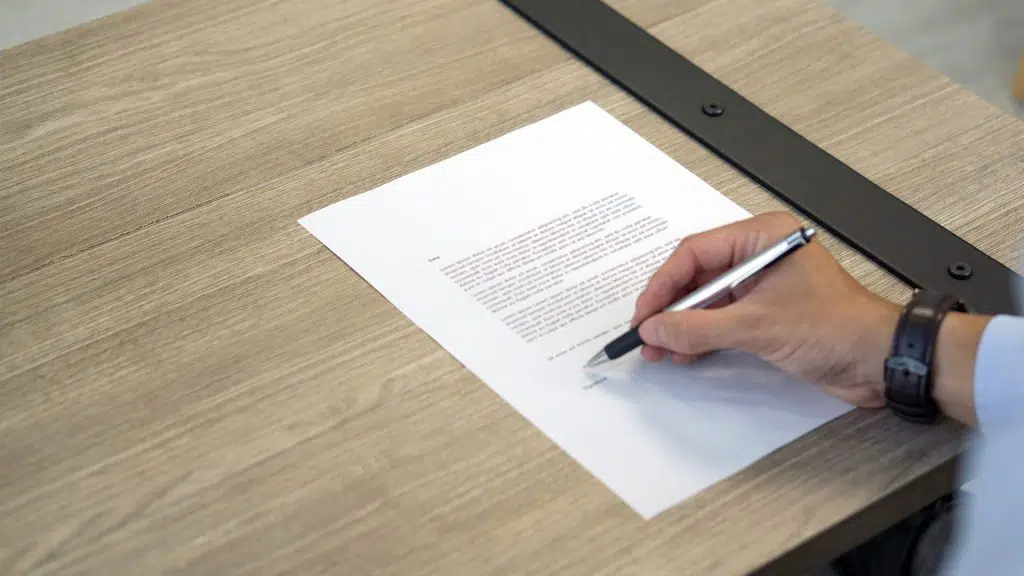
The most effective way to get your landlord’s attention is to send a formal letter or email. This creates a clear record of when you reported the problem and what action you requested.
You can adjust the tone depending on your relationship with your landlord and include photos if you have them.
Sample Letter to Landlord About Mice
Subject: Mice Infestation – Immediate Action Required
Dear [Landlord/Council Name],
I am writing to formally report a mice infestation at the property I rent from you at [insert full address]. The problem was first noticed on [insert date] and has included [e.g. droppings in cupboards, scratching noises in walls, visible sightings of mice, damaged food packaging].
This is causing me concern due to the potential health risks and property damage. I believe the issue may be caused or worsened by [e.g. gaps in skirting boards, holes in walls, structural damage], which falls under your legal responsibility as a landlord.
Please could you contact me at your earliest convenience to arrange a visit, during which I can show you the problem and discuss its rectification.
I look forward to receiving your reply as a matter of urgency, but by [insert date – one week from today] at the latest.
I would appreciate it if you could confirm receipt of this letter. Please do not hesitate to contact me on [your phone number] or [your email address] should you require any further details.
Kind regards,
[Your Full Name]
[Date]
[Contact Information]
Tip: Always keep a copy of this letter or email, along with photos and a record of any related communication.
Can You Make a Housing Disrepair Claim?
If your landlord refuses to act, or hasn’t fixed the problem within a reasonable time (usually around three months), you could be eligible to make a legal claim for housing disrepair.
This can help you:
- Get essential repairs carried out
- Claim compensation for damaged belongings
- Seek compensation for health problems or distress caused by the infestation
To understand what qualifies as disrepair, take a look at our simple guide on housing repair, where you can learn more.
Go From Infestation to Compensation
Living with pests is not part of your tenancy agreement, and it shouldn’t be part of your daily life. If your landlord isn’t upholding their responsibilities, you have options.
Find out if you’re eligible for a housing disrepair claim with CEL Solicitors and how we can support you. We offer free advice even if you’re unsure whether you have a claim, and we’ll always be honest about your chances of success.
Call us today on 0333 305 4982 or get in touch online for a no-win, no-fee claim.
Take the first step towards a healthier and safer home.