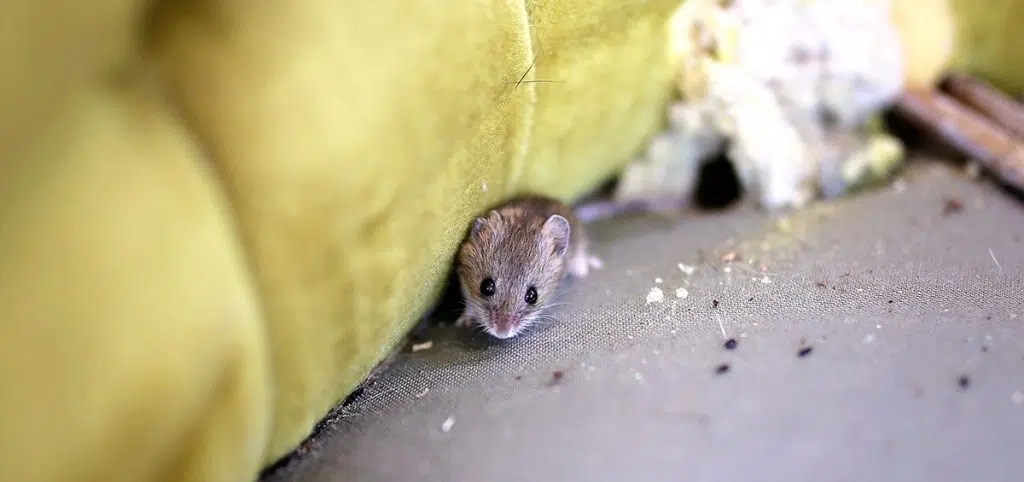

Imagine walking into your kitchen late at night, only to spot a mouse darting across the floor. You hear scratching in the walls, find droppings in your cupboards and your food packaging is nibbled through.
If you’re living in a council house, this can quickly become more than an inconvenience; it can pose serious health risks, especially if the problem is ignored.
If you’re dealing with mice in your council house, you have rights.
Let us break it down for you below.
Are Mice the Council’s Responsibility?
In most cases, yes. Your local council, as your landlord, has a legal duty to ensure your home is safe, sanitary and fit for living. If there is a rodent infestation, such as mice, they may be held responsible for resolving it, especially if:
- The infestation is due to poor maintenance or disrepair
- The mice are entering through gaps, holes or structural defects
- You’ve reported the problem, but no action has been taken
While tenants are responsible for basic cleanliness, pest control due to structural issues falls on the council.
If the council has failed to fix issues like holes in walls, broken vents or leaking pipes that attract rodents, you may be eligible to make a housing disrepair claim.
For more details on legal responsibility, read our guide about whether landlords are responsible for mice.
Why Rodent Infestations Are a Serious Housing Problem
Living with mice isn’t just unpleasant; it’s dangerous. Rodents carry diseases, chew through wires and contaminate food. If you have children, elderly family members, or anyone with health issues in your home, the risks increase dramatically.
Signs of a mice infestation include:
- Droppings or strong urine smells
- Chewed skirting boards, furniture or wiring
- Scratching noises in the walls or under the floors
- Nesting materials in hidden corners
No one should have to live in these conditions.
What Should You Do If You Have Mice in Your Council House?
If you’ve spotted signs of mice in your home, it’s important to act quickly. The sooner you report the issue and gather evidence, the stronger your position will be, especially if the council fails to respond.
Here’s what you should do next:
- Report the problem to the council immediately – preferably in writing or via email.
- Taken photos or videos of mouse droppings, nest, entry points or damage.
- Keep records of your communication, including dates and names of people spoken to.
- If the council fails to act within a reasonable time, speak to CEL Solicitors.
We understand how frustrating and upsetting it is to be ignored when your health and safety are at risk. If you’ve reported the issue and nothing has been done, we may be able to help you claim compensation and get the repairs you need.
Can You Make a Housing Disrepair Claim for Mice?
If the mice are present due to damage, decay, or poor upkeep, and the council has failed to fix the issue after you’ve reported it, you may have grounds for a legal claim.
However, we must be clear: a mice infestation on its own may not be enough to bring a legal claim unless there are other ongoing disrepair issues or clear evidence of the council’s failure to act.
To better understand what qualifies, check out our simple guide on housing disrepair.
You Shouldn’t Have to Share Your Home with Mice! Get Legal Support Now
Your home should be a place of comfort and safety, not somewhere you feel anxious every time you open a cupboard. If your complaints are falling on deaf ears, we’re here to stand up for you.
At CEL Solicitors, we specialise in housing disrepair claims. We’ve helped thousands of tenants across the UK take action when landlords and councils fail to meet their obligations. Our legal team is passionate, experienced, and tenacious – we fight for what’s right.
We can offer you free advice, whether we take on your claim or not, so if you’re unsure if you’re eligible to make a housing disrepair claim, then call us on 0333 305 4982 or contact us online.