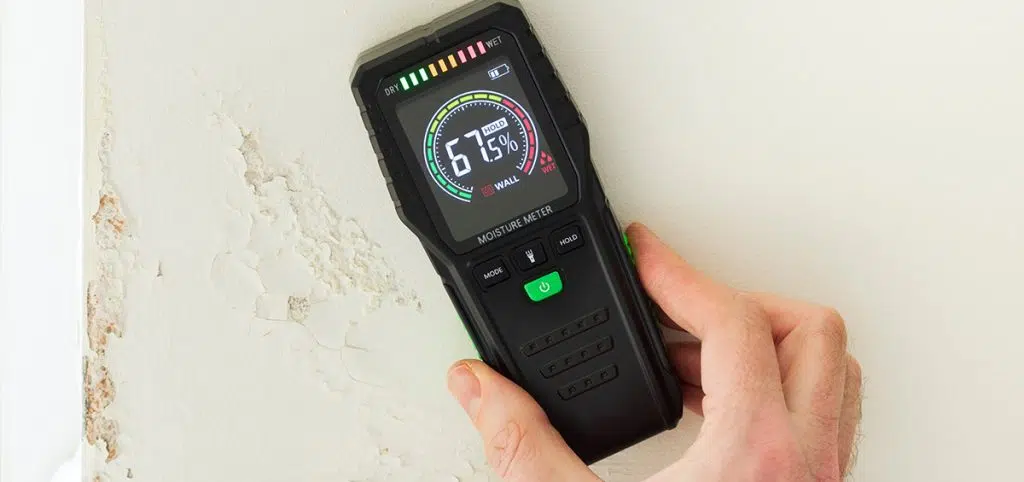

Damp can wreak havoc on your health, your belongings and your peace of mind.
If you’re dealing with rising damp, black mould creeping across your walls, or the smell of mildew that never goes away, you’re probably asking the right question… Shouldn’t my landlord be fixing this?
In many cases, yes, they’re legally responsible. And if the damp is part of a wider disrepair problem, you may even be entitled to compensation or free legal help through a housing disrepair claim.
Keep reading to find out what does and doesn’t qualify for a claim, so you know exactly where you stand.
Who Is Responsible for Damp in a Rented Flat?
Landlords in England and Wales have a legal duty to keep their homes safe, dry, and habitable under the Landlord and Tenant Act 1985. This includes ensuring the property’s structure is maintained and that issues like damp caused by disrepair are dealt with promptly.
Your landlord is usually responsible for damp if:
- It’s caused by leaking pipes, gutters or roof damage.
- It stems from faulty ventilation or insulation.
- The property suffers from rising damp or penetrating damp.
- Black mould develops due to poor maintenance or structural faults.
However, it’s essential to recognise that mild or generic damp, without visible damage or adverse health effects, may not be sufficient on its own to support a housing disrepair claim.
For a case to be viable, the damp issue often needs to be part of a wider pattern of disrepair, or cause harm, damage or distress.
What Does the Law Say About Damp and Mould in Rentals?
If your home has damp and mould and your landlord fails to act once notified, it may amount to housing disrepair, especially if it causes health problems or damages your belongings.
Under Section 11 of the Landlord and Tenant Act, landlords must:
- Maintain the structure and exterior of the property.
- Keep heating, plumbing and ventilation in working order.
- Ensure the property is free from serious hazards, including excess moisture and mould.
However, a small patch of damp with no further issues may not meet the threshold for legal action or compensation. Our legal team can help you determine whether your issue is part of a larger pattern of neglect, which strengthens your case.
Why Damp in a Flat Shouldn’t be Ignored
Even if it doesn’t qualify for a legal claim, damp should never be brushed aside. It can lead to:
- Respiratory issues like asthma and chronic coughs.
- Damage to personal items, including clothes, bedding and electronics.
- Long-term structural damage can occur if left untreated.
We often speak to tenants who have reported damp repeatedly, only to be ignored. If you’re also experiencing other issues, like mould, leaks, heating failure or unsafe living conditions, it’s important you stand up for yourself.
“They just didn’t care. The whole property was damp and blackened with mould, we had plaster falling off the walls and even started to get mice…there were constant arguments in the family which created a terrible atmosphere at home, and led to me suffering from depression and stress.”
Tracey from Portsmouth, CEL client. Read Tracey’s story.
What To Do If Your Landlord Ignores Damp Problems
If you’ve reported the issue and nothing has been done, here’s what you can do:
1. Keep Evidence
- Take clear, dated photos of damp patches, damage or mould.
2. Raise the Issue Formally
Put your complaint in writing (email is best) and give your landlord a reasonable timeframe to respond. Be specific and keep a copy of your message.
3. Seek Legal Advice
If the damp is part of a broader pattern of neglect or is causing health or financial harm, you may be eligible to make a claim.
At CEL Solicitors, we specialise in helping tenants get justice. However, to take on a case, it must meet certain criteria – and not all cases of minor damp will qualify. We’ll assess your situation honestly and let you know your options.
Other Housing Issues That Strengthen a Claim
Damp is often one part of a bigger problem, and those additional issues can help make a claim viable. These might include:
- Black mould returning after surface cleaning
- Burst pipes or leaks contribute to excess moisture
- Lack of heating, broken windows or dangerous electrics
The more serious or wide-ranging the disrepair, the more likely it is that we can take your case forward.
When to Get in Touch with CEL Solicitors
We understand how stressful it can be to live in a damp and unhealthy flat, especially when you feel ignored.
If your landlord won’t act and the issue is serious or part of broader disrepair, we may be able to help.
We can offer you free advice, whether we take on your claim or not, so if you’re unsure if you’re eligible to make a housing disrepair claim, then call us on 0333 305 4982 or contact us online.